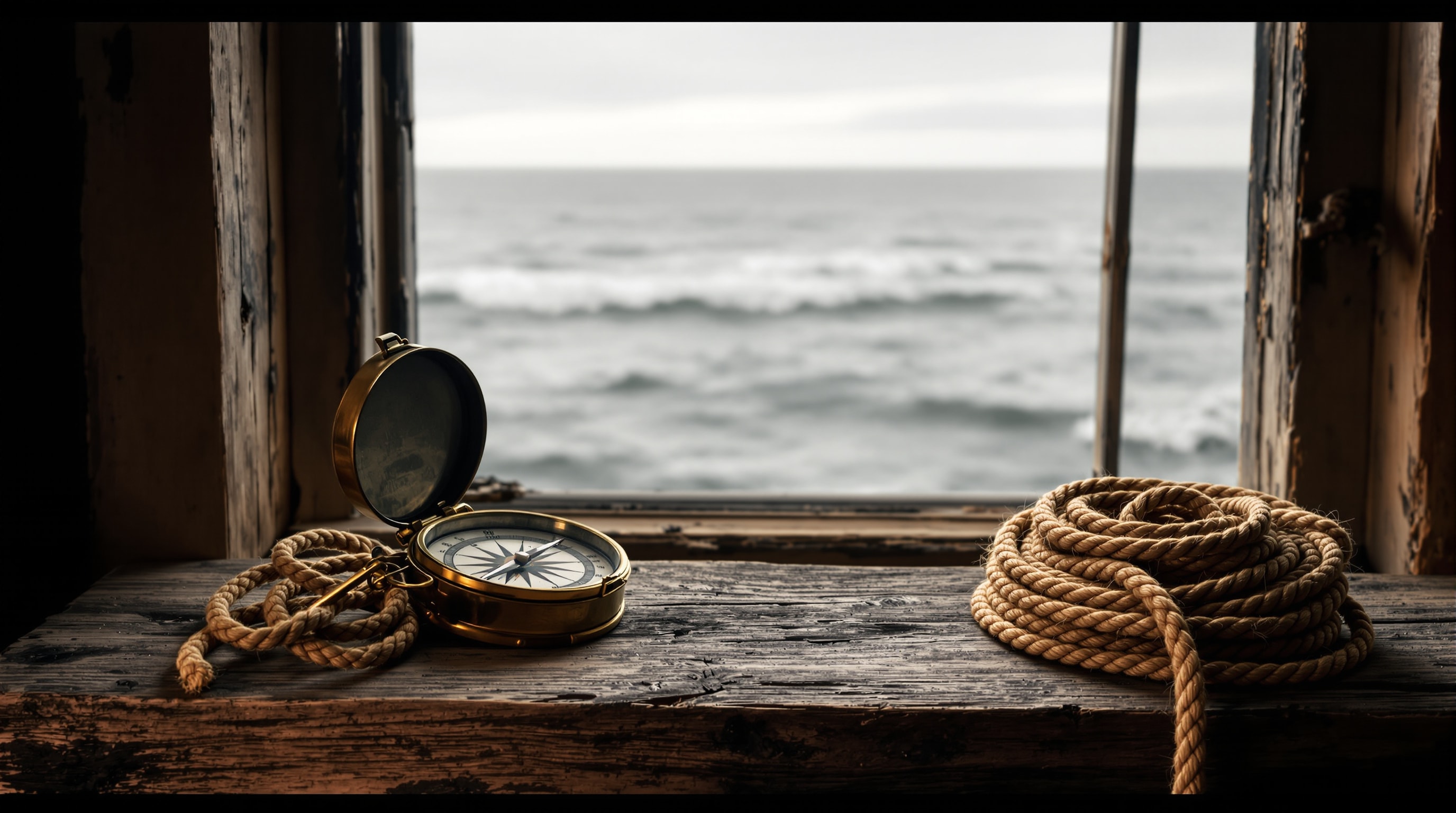
An idea born on the Isle of Man
The Institution was founded in 1824, largely through the energy of Sir William Hillary, a resident of the Isle of Man who had witnessed too many shipwrecks off its coast and had himself helped save lives from the surf. Convinced that Britain needed a national, coordinated body to fund and organise lifeboats, he published an appeal that led to the creation of what was first called the National Institution for the Preservation of Life from Shipwreck. It took its present name, the Royal National Lifeboat Institution, in 1854.
Notably, Eastbourne already had a lifeboat by then — the town’s first boat dates from 1822, two years before the national body existed — and the Institution did not take over the Eastbourne station until 1853. You can follow that local thread on our Eastbourne lifeboat history page.
A charity, not a government service
One fact surprises many people: the lifeboat service is not run by the state. From the beginning it has been a charity, funded by voluntary donations and legacies rather than by taxation. That independence has been fiercely guarded for two centuries, on the principle that a rescue service answerable only to the public it serves will always launch, without counting the cost. The crews, overwhelmingly, are unpaid volunteers.
Two centuries of saving lives
Over its history the Institution has been credited with saving tens of thousands of lives around the coasts of Britain and Ireland. Its story runs alongside the whole modern history of the sea: the shift from oar and sail to steam and diesel; two world wars, in which lifeboat crews served with distinction; and, in our own time, a growing role in beach lifeguarding and public water-safety education as leisure use of the coast has boomed.
The gallantry medals struck by the Institution — Gold, Silver and Bronze — remain among the most respected awards for courage in the country. Eastbourne’s crews have won ten of them.
Lifeguards and prevention
For much of its history the Institution was purely a rescue service — boats that launched when the worst had already happened. In recent decades its mission has broadened to include prevention. Seasonal lifeguards now patrol many popular beaches in the summer months, and a large share of the charity’s effort goes into public education: teaching people what the beach flags mean, how to escape a rip current, and the Float to Live response to cold-water shock. It is a recognition that the cheapest life to save is the one that is never put at risk — the same conviction behind the safety pages on this site.
The service today
Today the RNLI operates a large fleet of lifeboats from stations all around these islands, backed by seasonal beach lifeguards and an active safety-education mission. It continues to develop new boats and equipment, and it continues to rely, as it always has, on the generosity of the public and the commitment of its volunteers. To learn more, or to find official information, visit the RNLI’s official history — and to see how the modern boats actually work, read our lifeboats explained guide.